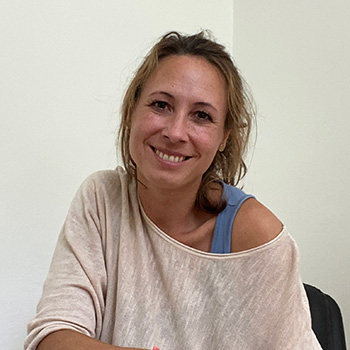
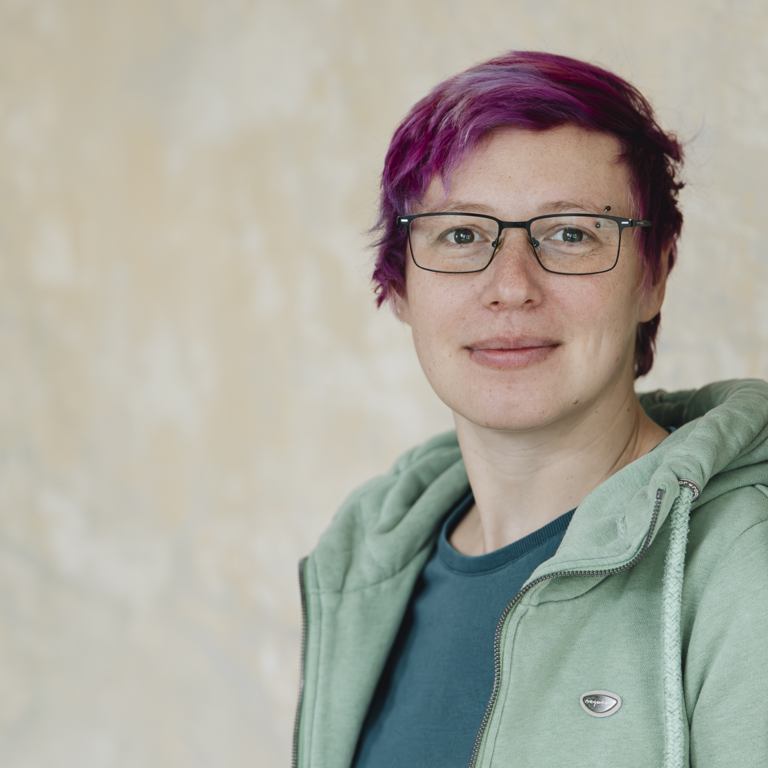
Jana Lasser
Director of Research & Head of Data Analysis
Director of Research and Head of Data Analysis at IDea_Lab.
Open profileCS² is based at the University of Graz and is part of IDea_Lab, an interdisciplinary hub for data analysis and computational research. The IDea_Lab is a dynamic platform that unites individuals with interdisciplinary expertise to achieve a common goal: advancing digital transformation at the University of Graz through collaboration and cooperation across disciplines.
Director of Research & Head of Data Analysis
Director of Research and Head of Data Analysis at IDea_Lab.
Open profile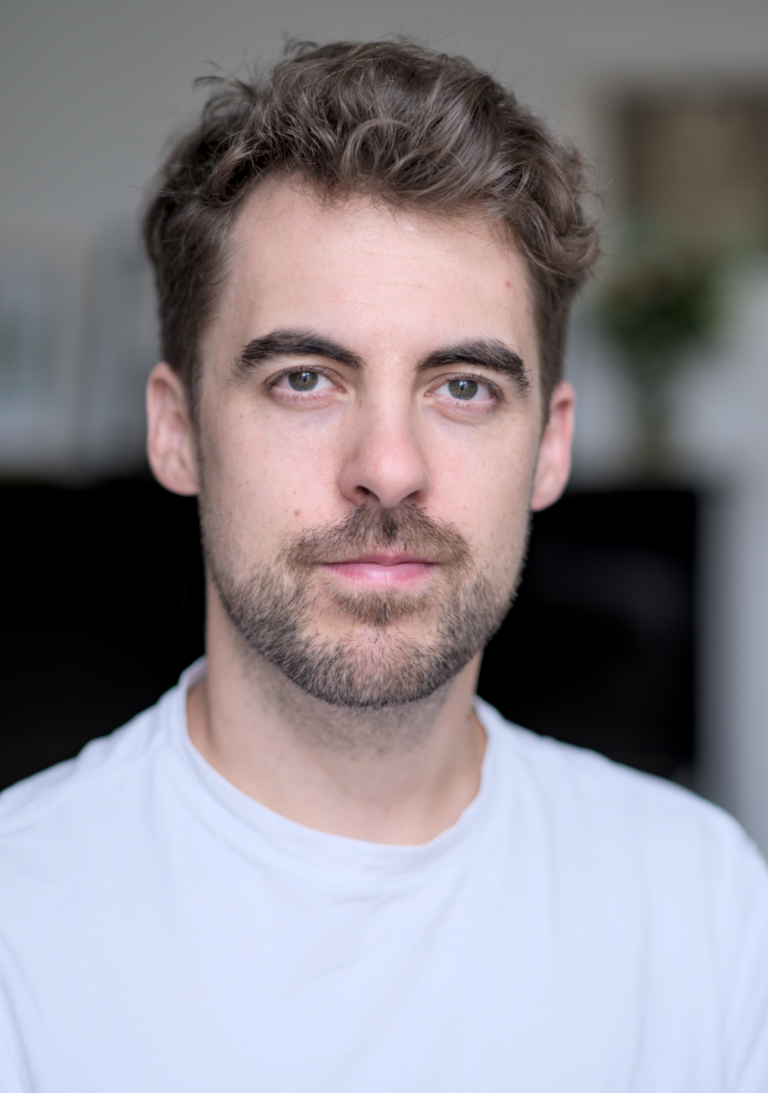
Senior Scientist
A sociologist studying how the research system works and how well-intentioned reforms can produce unexpected outcomes.
More about ThomasSenior Scientist
His work combines large-scale data analysis with sociological thinking to investigate patterns in knowledge production, publishing, and research assessment.
He studies Open Science, publishing costs, knowledge production, funding dynamics, and reproducibility. He is increasingly interested in how generative AI is reshaping how research is produced, reviewed, and evaluated.
Methodologically, he works with large bibliographic datasets, Bayesian multilevel models, and computational simulations.
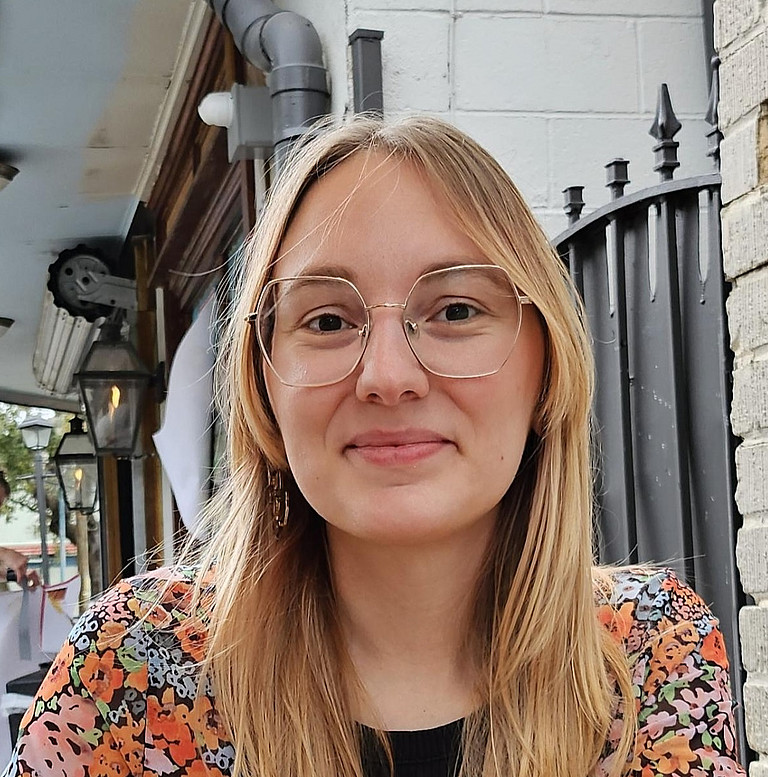
University Assistant
A psychologist with a PhD in applied computer science who expands the psychological toolkit with natural language processing and machine learning.
More about AlinaUniversity Assistant
Her research focuses on emotion regulation: how people perceive, process, and manage their emotions, and how regulation strategies interact with individuals and situations.
She also studies hate and counter-speech online and the psychological mechanisms that make online discourse feel extreme and toxic. She is a Diversity Buddy at IDea_Lab.
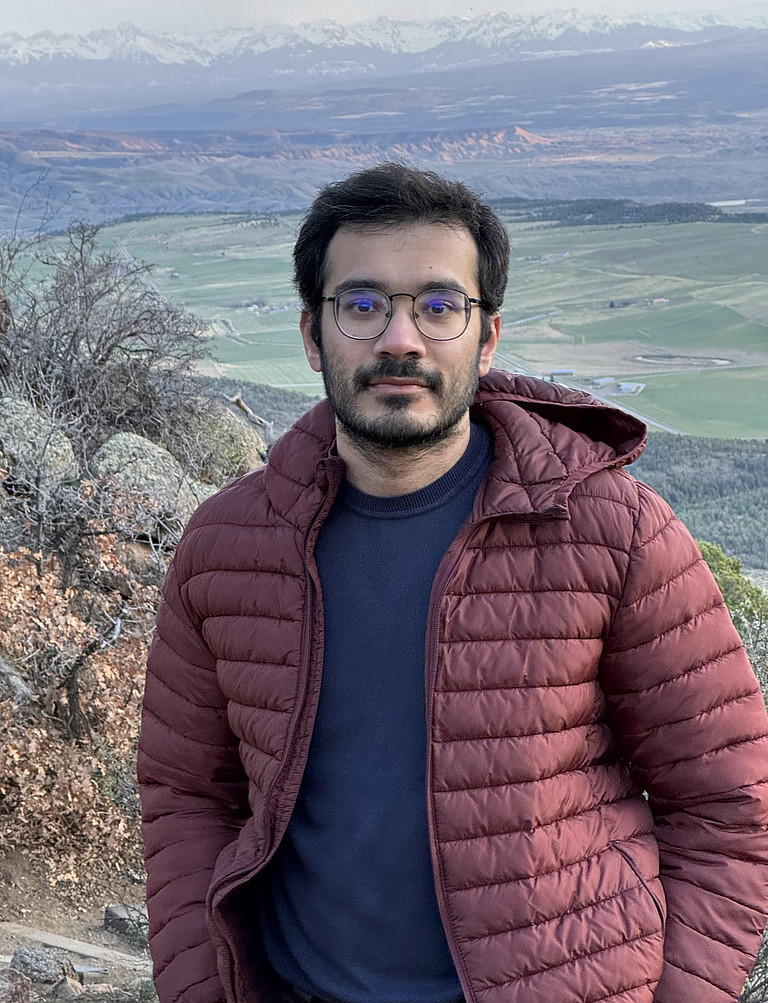
Postdoctoral Researcher
A computer scientist working in computational social science, studying the behaviors of social media platforms — particularly their recommender systems — and how they can be made better.
More about HussamPostdoctoral Researcher
I’m a computer scientist working in computational social science. I study and investigate the behaviors of social media platforms, particularly their recommender systems, and subsequently argue and demonstrate how these platforms can be made better. My work combines social science theory with NLP, machine learning, and causal inference.
I’m part of the IDea_Lab at the University of Graz and a member of the Center for Publics, Platforms & Personalization (CP3). I hold a PhD in Computer Science from the University of Iowa, advised by Rishab Nithyanand, and was previously a research associate with Rachel Greenstadt at NYU.
If you have thoughts about any of this, I’d love to hear them: email me.
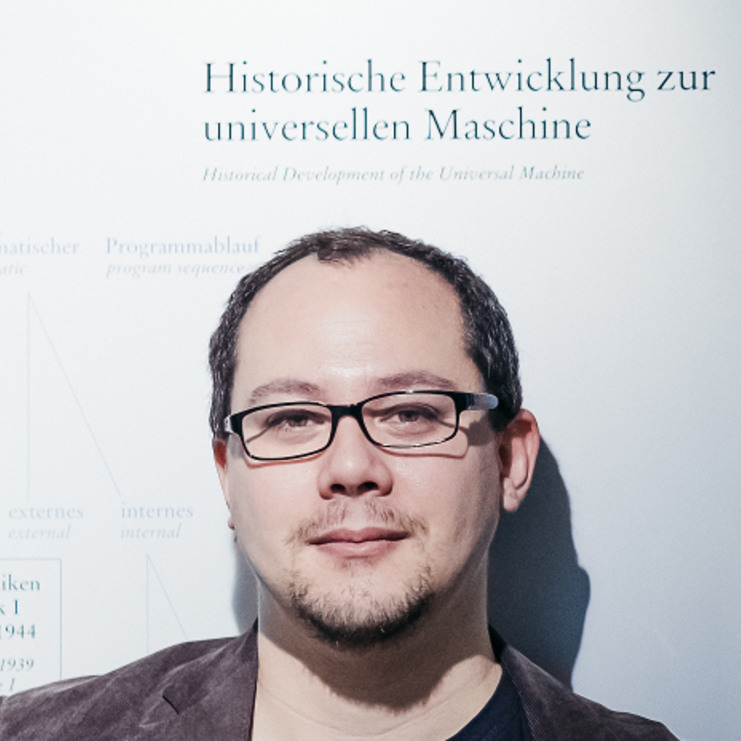
Postdoctoral Researcher
A sociologist and science and technology studies scholar researching democratic institutions, law, social order, and algorithmic systems.
More about NikolausPostdoctoral Researcher
His work brings together media theory, science and technology studies, computer science, and sociology. His PhD examined the implementation of recommender systems for public broadcasting and the challenges they create.
He uses qualitative methods including ethnographic research and discourse analysis to study how digital technologies are made and used, and how they affect public discourse, media, political institutions, and law.
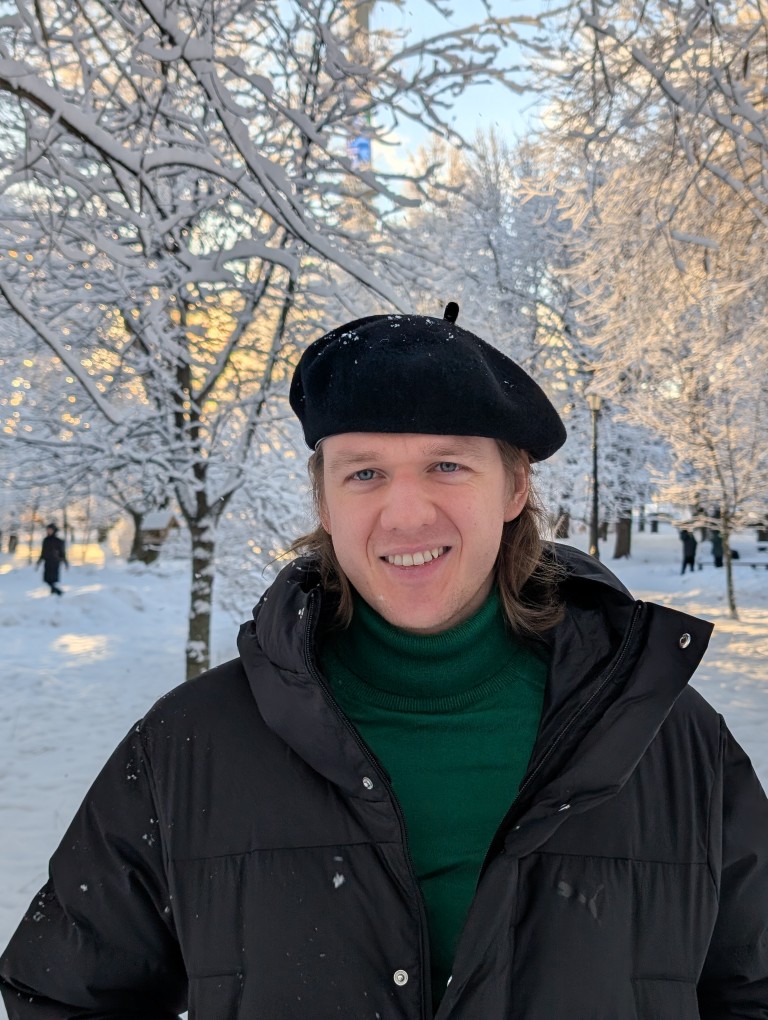
Postdoctoral Researcher
A data scientist and computational social scientist using advanced computational methods to address societal challenges and strengthen democracy.
More about KirillPostdoctoral Researcher
His research has focused on social media, misinformation, hate dynamics, participatory governance, and multimodal platforms such as TikTok.
In the VALPOP project, he develops open-source machine-learning and natural-language-processing tools to extract relationships from large-scale text and study how populist politics influence public goods and democratic resilience.
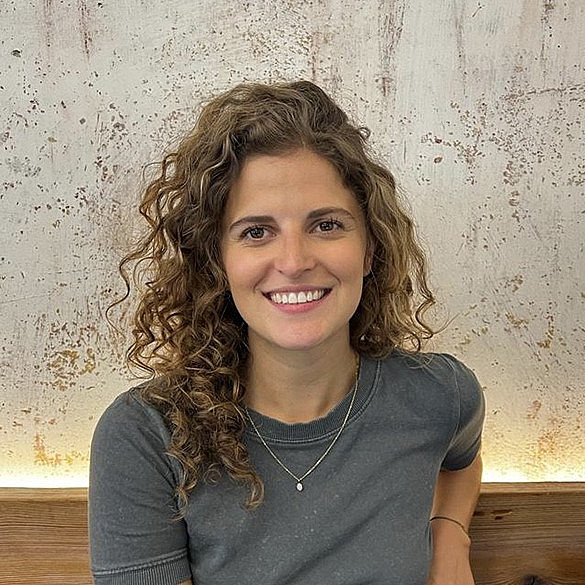
Doctoral Researcher
A PhD candidate researching the rise and spread of conspiracy theories in online environments within the ORION project.
More about ElisabethDoctoral Researcher
She applies natural language processing and topic modelling to measure characteristics of conspiracy theories and identify which features contribute to their popularity.
With bachelor’s and master’s degrees in physics, she uses computational modelling, data analysis, and network science to understand social and political phenomena including political discourse, polarisation, and democracy.
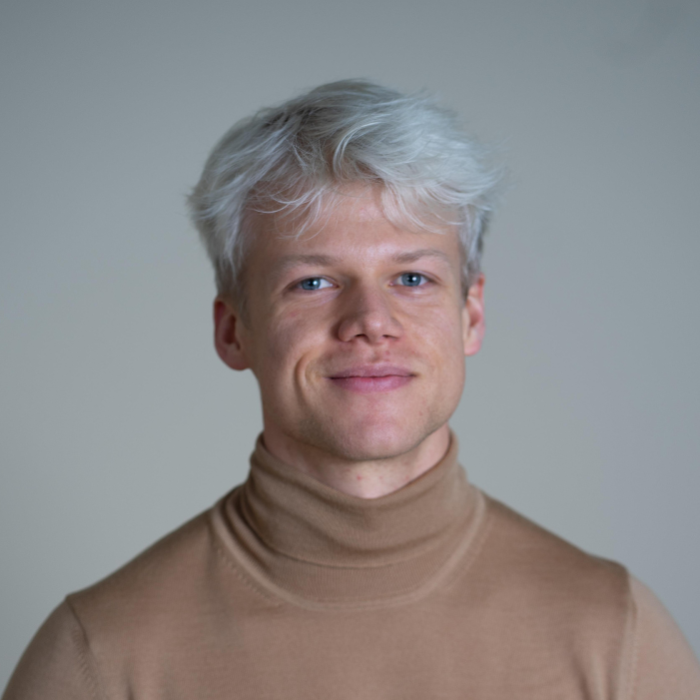
Doctoral Researcher
A PhD researcher at IDea_Lab and Graz University of Technology studying dynamics in collective adaptation.
More about MathiasDoctoral Researcher
His work models opinions as networks and examines how they change under new group constellations, combining agent-based modelling with social-media data.
He previously studied the algorithmic detection and differentiation of conspiracy-theory topics in Telegram chats and the engagement and conversation patterns of conspiratorial communities.

Doctoral Researcher
A PhD researcher using large language models for social-science simulations, with a focus on disinformation dynamics and collective behaviour.
More about RuggeroDoctoral Researcher
His research combines large-language-model fine-tuning and agent-based modelling. He also develops retrieval-augmented generation and knowledge-graph systems through industry collaborations.
Outside academia, he contributes machine-learning analysis to data-journalism projects and builds tools, models, and datasets that make computational research accessible to academic and public audiences.

Doctoral Researcher
A researcher exploring the societal implications of social media and how recommender systems influence beliefs, communication, and culture.
More about TimDoctoral Researcher
His doctoral research designs and evaluates recommender systems that prioritise healthier civic discourse over engagement metrics.
The work sits at the intersection of social technology, cultural evolution, political theory, and policy, and asks how digital platforms can be improved to support democratic processes and better discourse.

HPC Administrator
Manages the IDea_Lab high-performance computing environment and provides general IT support.
More about ViktorHPC Administrator
He has worked across IT since 2017 and has focused on high-performance computing since 2022. His goal is to provide a powerful, user-friendly environment for researchers from a wide range of academic backgrounds.
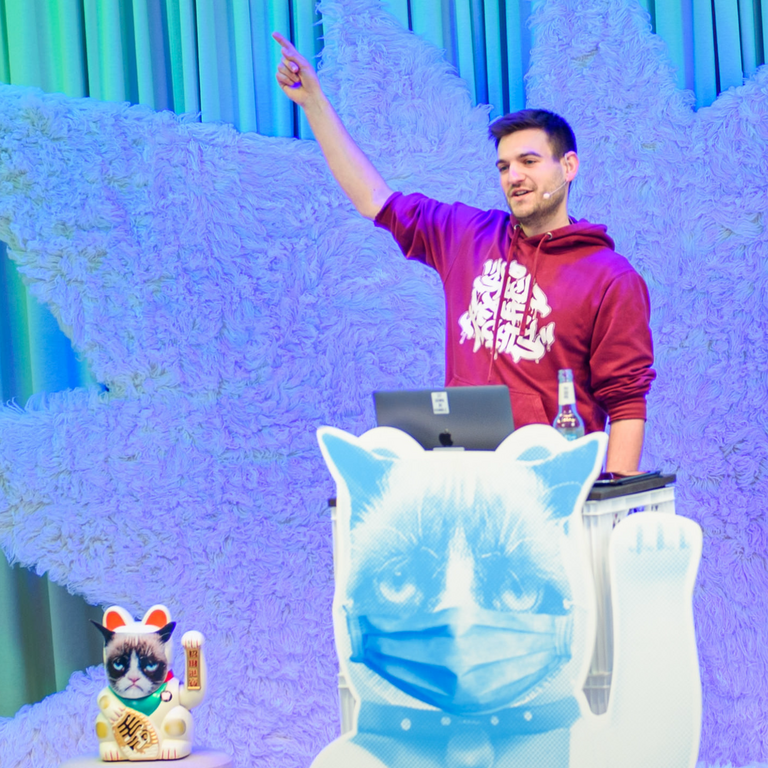
Doctoral Researcher
A researcher working at the intersection of democracy, social media, and digital publics.
More about JohannesDoctoral Researcher
He studies how algorithmic mediation can enable or restrict participation in democratic deliberation, and how different conceptions of democratic publics come into conflict.
Within the DeSiRe project, he works on recommender systems designed to support democratic, pluralistic, and inclusive digital spaces. His master’s thesis examined how platform policies affect queer communities and their struggles online.

Student Research Assistant
A student research assistant on DeSiRe with a background in software engineering and computational social systems.
More about LorenzStudent Research Assistant
He works on generative simulations that reconstruct social-media platforms and model user behaviour in digital twins, making it possible to study platform dynamics and test interventions.
He is also interested in better digital spaces, the Small Web, alternative platforms, and European digital sovereignty.
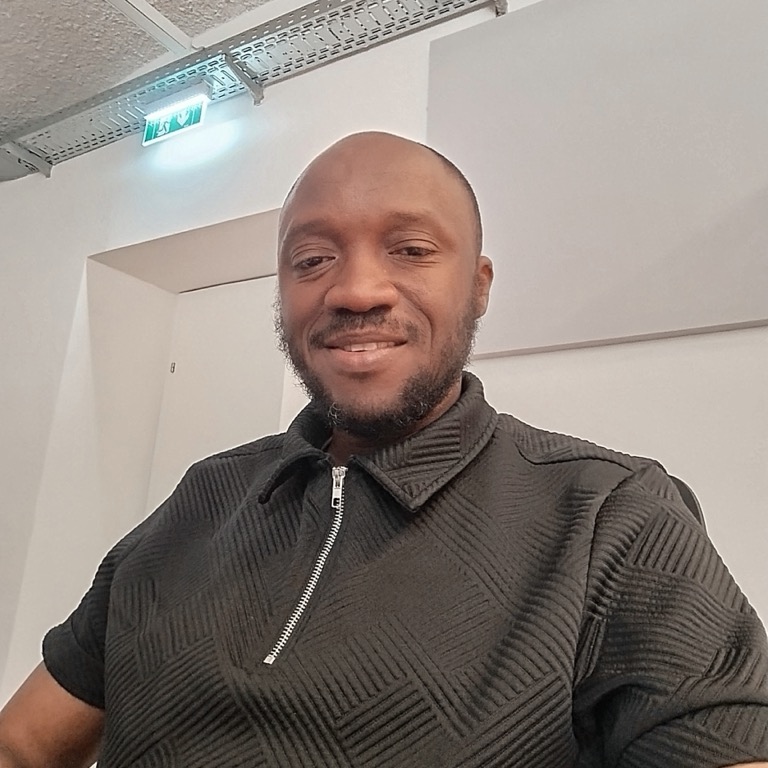
Student Research Assistant
A Student Research Assistant in the Computational Social Systems (CSS) group at the IDea_Lab, University of Graz.
More about OlaniyiStudent Research Assistant
I contribute to the DESIRE project, which explores how deliberative quality and hostility manifest in online political discussions.
My research centers on scaling multi-task Natural Language Processing (NLP) architectures to model high-dimensional discourse metrics:
Hierarchical Architecture: Developing Progressive Layered Extraction (PLE) and Mixture-of-Experts (MoE) heads on top of pre-trained transformer backbones (DeBERTa-v3-large) to separate shared language semantics from domain-specific (Hostility vs. Deliberation) concepts.
High-Dimensional Regression: Benchmarking model performance across 53 distinct continuous discourse indicators.
Uncertainty Optimization: Implementing uncertainty-weighted loss mechanisms and dynamic batching techniques to handle annotator variance and zero-inflation in complex social media datasets.